ServicesInherited Property
Inherited Property Buying in Independence
When a parent's or relative's house passes to you, we make a free cash offer on it as it stands. Leave the furniture, skip the repairs, and choose a close date between 10 and 60 days that fits probate and the family.
A simple way to settle the house
An inherited house usually arrives with more than a deed. There are rooms of belongings, a furnace nobody has serviced in years, utility bills in a name that no longer answers, and often siblings who live in different states. Selling it the conventional way means clearing it out, fixing it up and keeping the heat on and the bills paid while it sits.
We buy inherited property for cash, in whatever condition it is in. We pay all closing costs, and you won't pay hidden fees. You tell us when the estate is ready to close, and we work to that date.
If the house also carries a mortgage that has fallen behind, our Avoid Foreclosure page explains how that changes the timeline.
What selling to us covers
- No clean-out required
- Take the photographs, the heirlooms and anything with meaning. Leave the rest. Furniture, clothing, tools in the garage and the boxes in the basement can stay with the house.
- No repairs, no showings, no cleaning
- We price the house with the dated kitchen, the worn roof and the damp basement already in mind. Nobody needs to fix, paint or prepare a thing.
- Closing costs paid
- We pay all closing costs. The figure in our written offer is what the estate should expect before any mortgage payoff or liens the title search turns up.
- A close date the estate sets
- Choose any close date from 10 to 60 days. That range gives room to wait for court paperwork or for family to make one last visit.
- Help with the paperwork trail
- We work with a title company that handles the deed, the payoff figures and the closing documents. We can explain each step in plain terms, while legal questions stay with your attorney.
When a cash sale makes sense for an inherited house
Heirs live far away
Managing a vacant house from another state is hard. Every snowstorm and every freeze-thaw cycle in a Michigan winter brings a new worry about pipes and the roof.
The carrying costs keep adding up
Property tax, utilities, insurance and lawn or snow service all continue while the house sits. A quick sale ends those monthly bills for the estate.
The house needs real work
Original windows, an aging furnace or a roof near the end of its life can make a conventional sale slow. We buy with those issues in place.
The family wants a clean, fair split
A single cash figure, settled on one closing date, is easier to divide among several heirs than months of decisions about repairs and price cuts.
The vacancy is starting to show
Many insurers restrict coverage on a house left empty for an extended stretch. If the house has been empty for a while, it is worth checking that policy and thinking about timing.
What shapes the offer on an inherited house
No two estates are alike, so our offer comes from the house itself and the paperwork behind it. Here is what moves the number, so the figure makes sense when you hear it.
Condition of the house
Major systems matter most. The age of the roof, furnace, plumbing and electrical, plus any water in the basement, shape what the house will need after we buy it.
Size and location
Square footage, lot size and how the house compares with nearby sales set the starting point, from Independence out to towns like Clarkston-area Springfield and Waterford.
Liens and back taxes
An unpaid mortgage, a reverse mortgage, delinquent property tax or contractor liens are paid off at closing from the sale. They do not stop a sale, but they reduce what the estate receives.
Contents left behind
A house full of belongings takes time and labor to clear. We factor that in openly so the family is spared the work.
How an inherited property sale works
- 1
A phone conversation
You tell us about the house, who holds authority over the estate and where probate stands. We ask straightforward questions and answer yours just as directly.
- 2
A look at the property
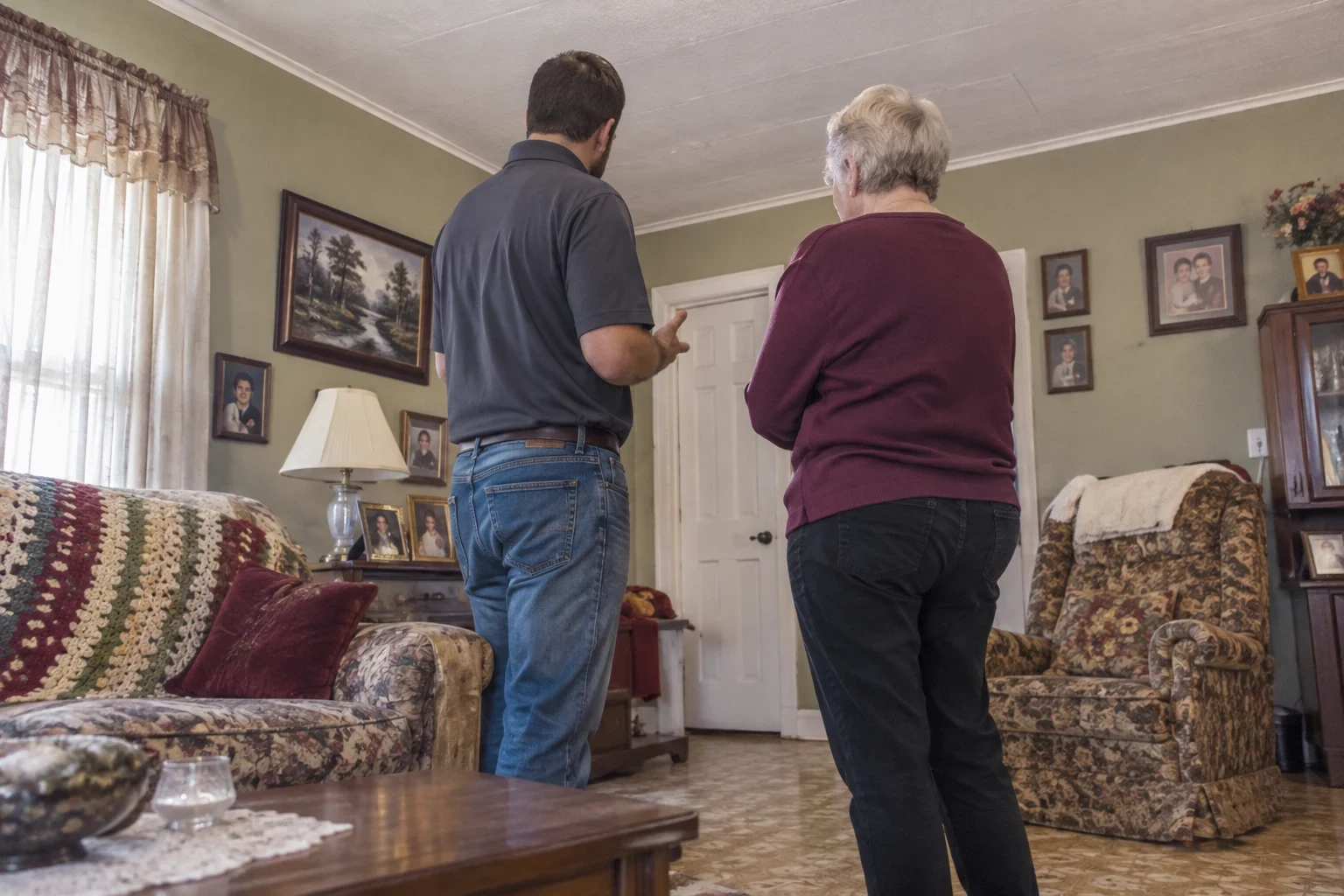
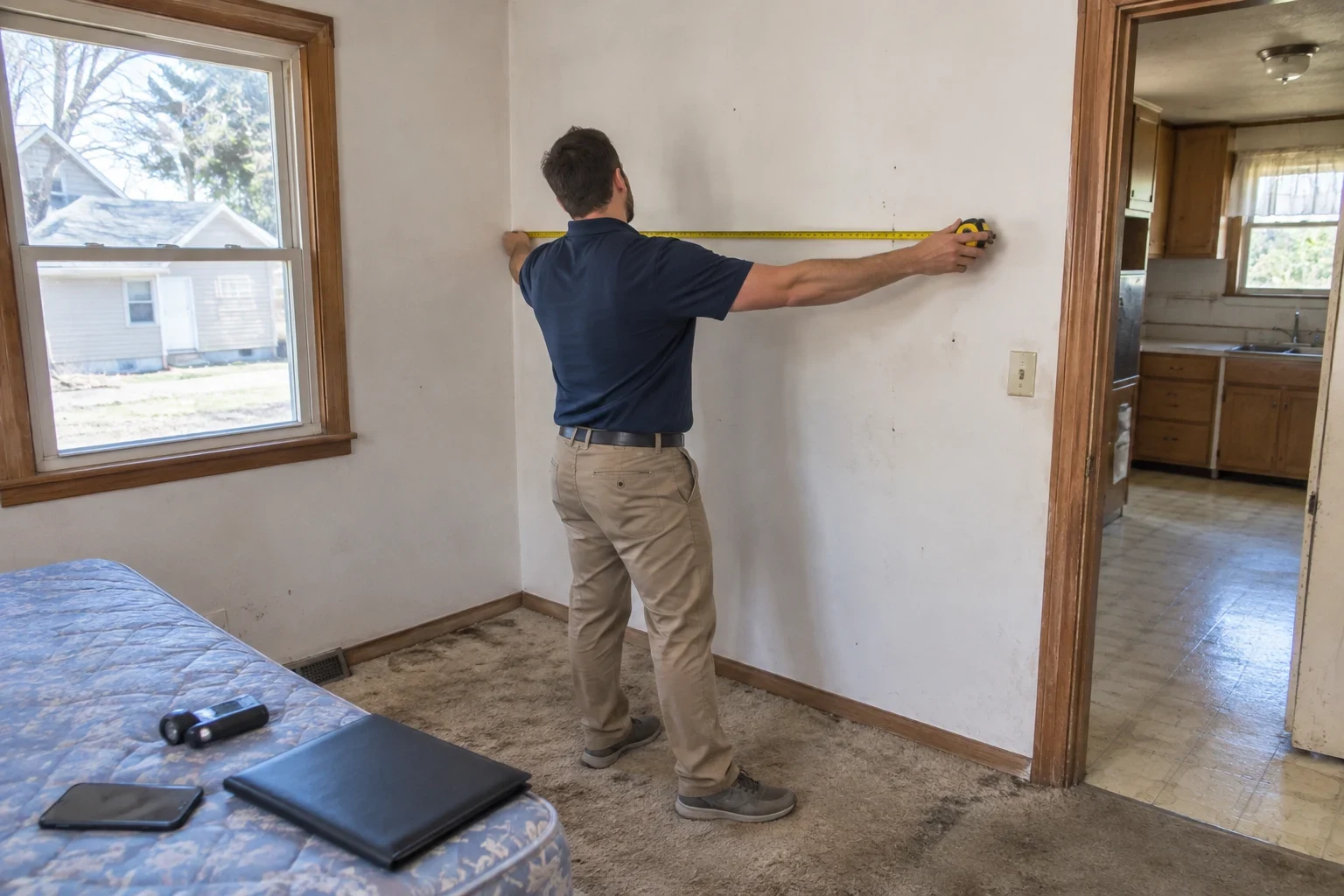
We review the house by video or from photos, or walk through it with whoever has the keys. Nobody needs to tidy up first.
- 3
Your cash offer
We come back promptly with a competitive cash offer and explain how we reached the number. There is no obligation, and you can share it with the other heirs and your attorney.
- 4
Title work and closing
Once you accept, a title company checks the deed, liens and payoff amounts. You choose the close date, sign, and the proceeds go to the estate.
Questions heirs ask us
Does probate have to be finished before we can sell?
Not always. In Michigan, a personal representative appointed by the probate court can usually sign for the estate once they hold letters of authority, and a successor trustee can sign if the house was in a trust. We can make an offer now and set the closing for when the authority is in place. Your attorney can confirm what your situation requires.
My siblings and I don't all agree. Can we still get an offer?
Yes. An offer carries no obligation, and a written figure often helps a family decide. The sale itself goes forward only when the person with legal authority signs, so take the time you need.
Can we close if none of us live nearby?
In most cases, yes. Title companies regularly arrange signings by mail or with a mobile notary, so heirs in other states can close without traveling back.
What happens to a mortgage or reverse mortgage on the house?
It is paid off from the sale proceeds at closing, and the title company handles the payoff with the lender. The estate receives what remains.
Do we need to remove anything before closing?
Only what you want to keep. Once the family has taken what matters, everything else can stay and we take care of it after closing.
Let the house be one less thing to carry
Tell us about the property and the estate, and we will come back with a clear number and an honest explanation. You decide the pace from there.